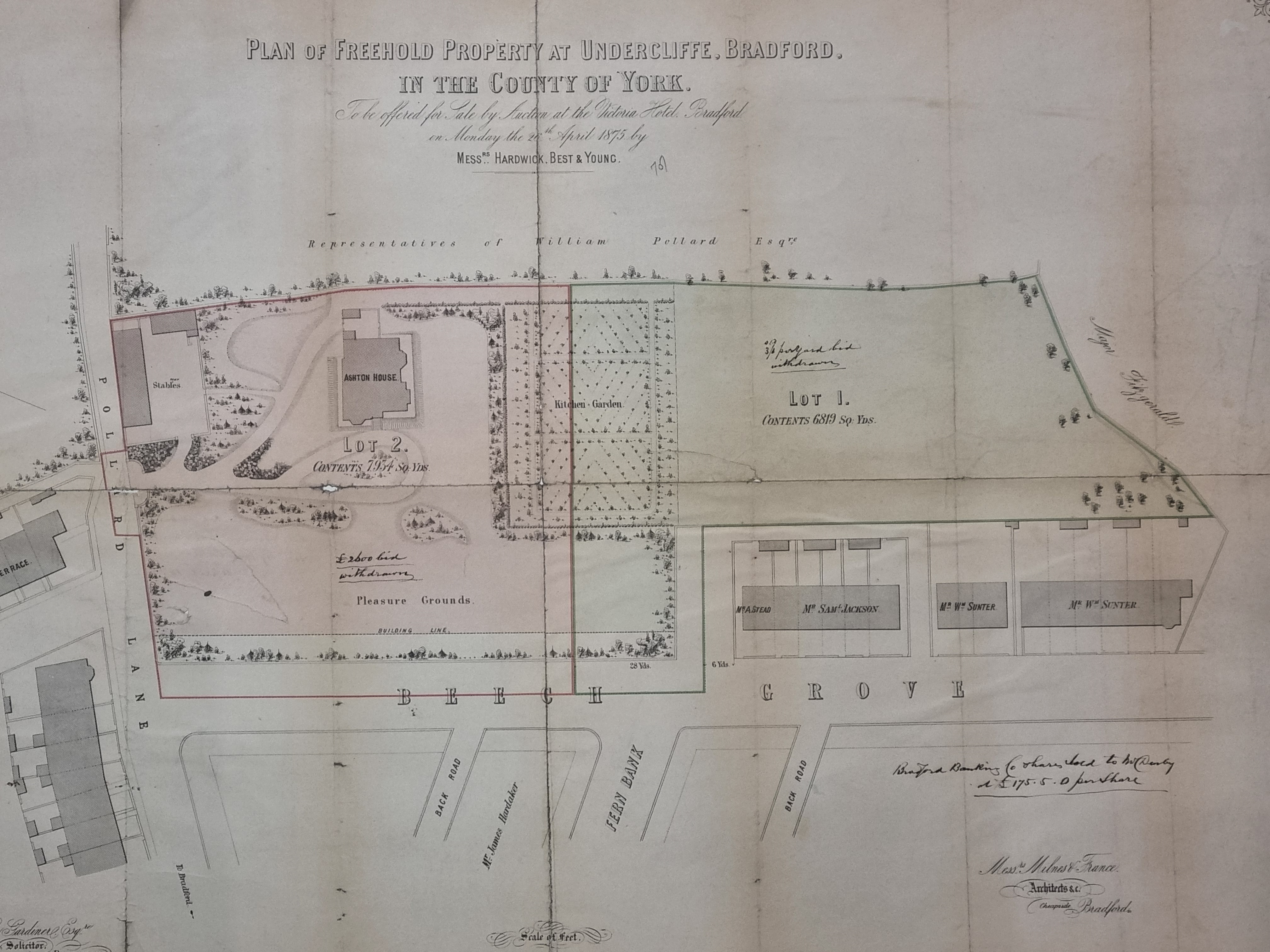
Property maps are among my favourites. This plan represents a particularly good example. From it we know the name of the property and we know the mechanism of sale – by auction at the Victoria Hotel. The auction date is 26 April 1875 and it would appear that Hardwick, Best and Young would be handling the gavel. The plan was evidently drawn up by Holmes & France of Cheapside. There are handwritten annotations to the effect that both Lots 1 and 2 had bids that were withdrawn, but I’m not sure if this means that the property was withdrawn from the auction when private bids were received, or if bids made at the auction were not honoured. I have found out a good deal about this property, but newspaper comments mention the occupiers of the property and never the owner. So, I cannot tell you the name of the vendor in 1875.
It helps that road names are given, and that they haven’t changed much in 150 years. It’s not difficult to place the location in the 1890 OS map detail, showing the area around Pollard Lane.
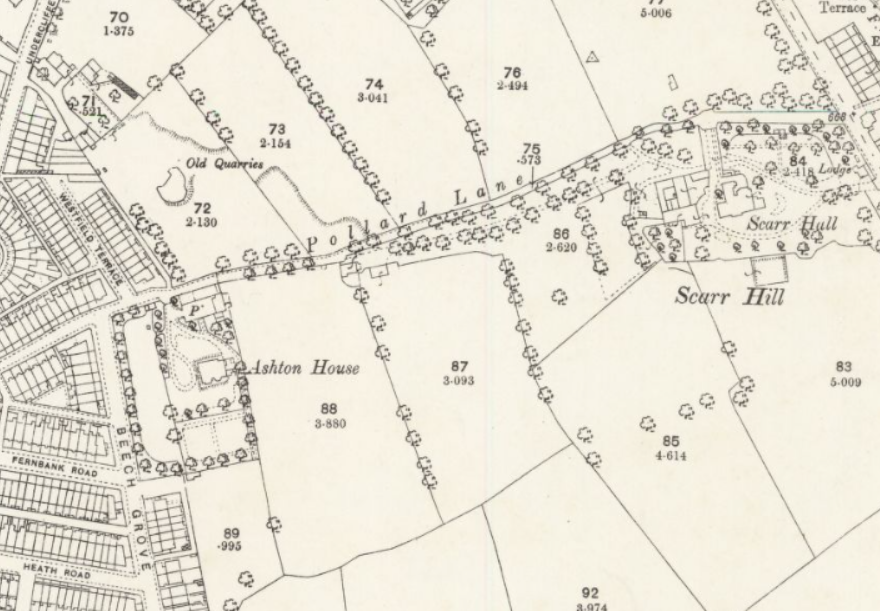
Figure 2 has north at the top. The appearances suggest that part of the original Lot 2 may have been sold to a neighbouring landowner, but that otherwise the property has been kept together.
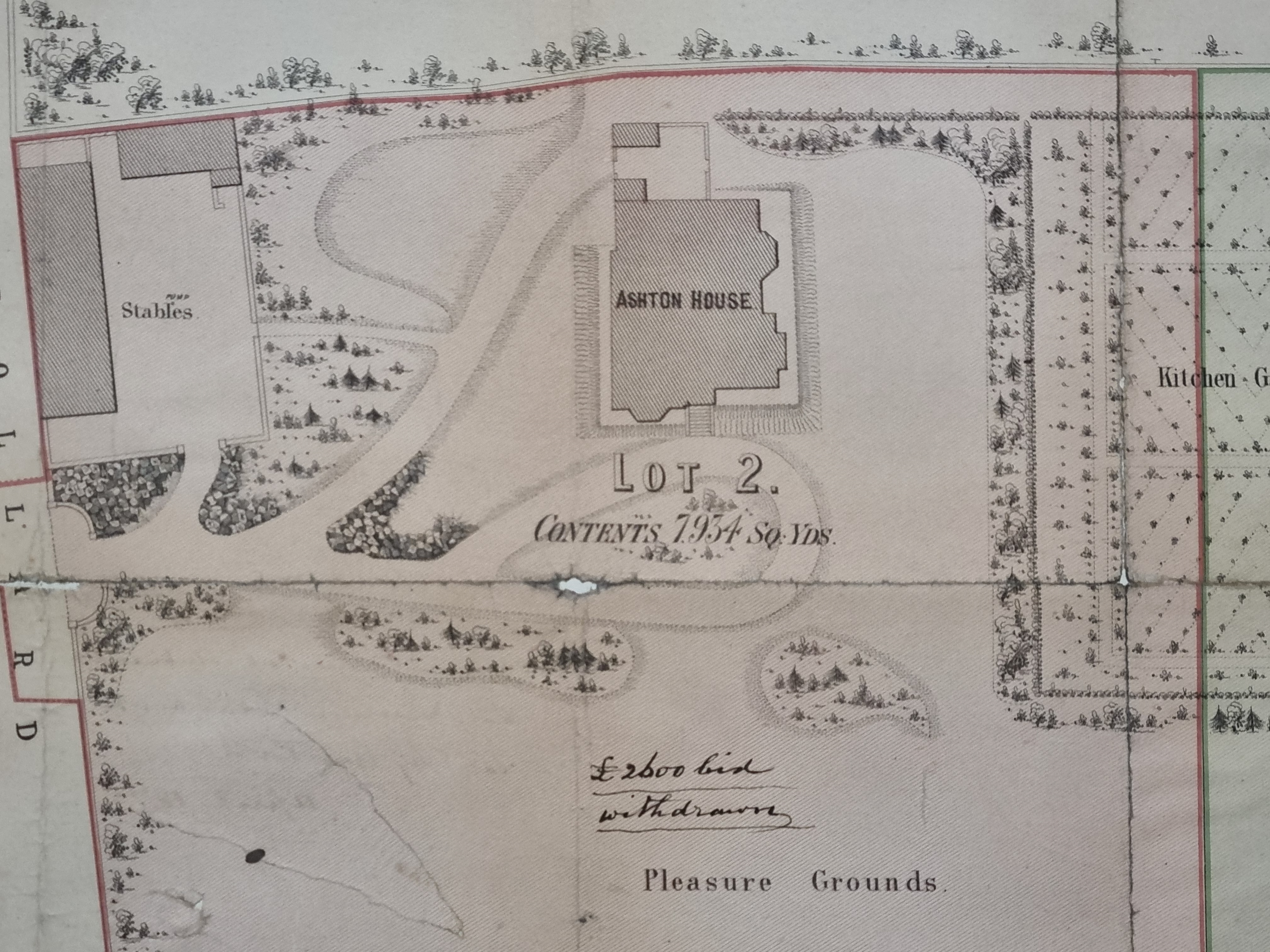
Figure 3 shows a large house built on an elevated position with extensive stabling and a huge kitchen garden. The rest of the property consists of ‘Pleasure Grounds’.
In 1865 Ashton House was the residence of Mr GC Hick (stuff merchant) and The Bradford Observer states that he kindly acted as host for a Baptist Sunday School treat. But later in the same year the same house was being offered for sale. It was described then as ‘recently erected’ and as a ‘desirable country residence’. At that time the stable was adequate for 12-14 horses and there was also a mistal and piggery. Internally there were drawing, dining and breakfast rooms, kitchen, scullery, six bedrooms, bathroom and closet. In short, the house was ‘replete with every convenience’.
In 1870 the Bradford Observer provided a long list of those with an interest in Bradford Banking Company, among which was Hannah Lambert, spinster, of Ashton House, Undercliffe. A newspaper item in 1874 indicates that Miss Lambert was raising money for the new St Augustine’s Church. When the house came up for sale in April 1875 the last occupant was said to be James Lambert, deceased. Immediately after the planned house auction shares in the Bradford Banking Co. were also auctioned. It turns out from census data that in 1871 James Lambert was a 72 year old solicitor, and Hannah was his 40 year old unmarried daughter. There was also a second daughter, Henrietta (30). To look after them they had a cook, maid and footman, who I assume were all resident since they feature on the census return.
Ashton House was being offered as a spacious residence with land suitable for villa development also available. It’s quite possible that the house didn’t sell at auction since in December 1875 it was again being offered for sale, now by private treaty. It was then in ‘temporary occupation’ by Colonel Broadley Harrison.
That’s where the story stops at present but in 1901 the sisters Hannah and Henrietta Lambert were living together on their own resources in a house off Oak Lane, Manningham. But no servants were resident. If she is the same Hannah Lambert as the woman of that name with a tablet in the cathedral, she had another decade to live, dying in 1911. But in that year’s census Hannah and Henrietta, with a third widowed sister Margaret, had been living in Harrogate with five servants, including two sick-nurses. Perhaps Margaret brought substantial funds when she joined her siblings, or perhaps she offered accommodation to her less affluent sisters.
And Ashton House? Well, it and the surrounding area remains on the OS maps into the 1930s, very much unchanged, although I shall leave further research to the readers.


I enjoyed reading your article and wondered if you have any further information regarding Colonel Broadley Harrison who you mention?
The reason for me asking is that I am related to Matthew Harrison 1758-1833, who is my 5x Gt Grandpa (Born Bradford St James Parish), and left in his Will property in Bradford.
LikeLike
James Lambert died at Ashton House in July 1874. Spinster Hannah Lambert was sole surviving executor for her father’s will. “Effects under £9000” – presumably he owned the house.
This is the same Miss Hannah Lambert who was painted by local artist John Sowden as part of his ‘street characters’ series (in Bradford Museums collection).
LikeLike
My name is Naz Riasat and I am the current owner of this beautiful house. The organ owner, George Charles Hick, was made bankrupt in 1861 hence the sale of the property. I don’t yet know where he moved to but my research is ongoing.
The house is almost exactly as it was back in 1900 judging by a picture of the home from that time. It has most its original features including two wooden fireplace surrounds.
LikeLike